
Unlocking the hidden design secrets of modern casinos
The Psychological Play of Color
The use of color in casino design is not merely an aesthetic choice; it is a strategic decision aimed at influencing player behavior. Bold hues like red and gold are prevalent in many modern casinos because they evoke feelings of excitement and wealth. These colors can create an energetic atmosphere that encourages longer playtime, ultimately benefiting the casino’s bottom line. In the world of gaming, many players are drawn to online casinos due to their vibrant designs and engaging user experiences.
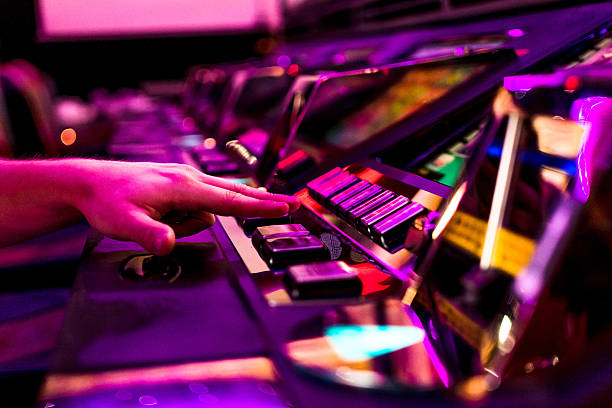
Additive color psychology suggests that certain shades can enhance moods or even alter perceptions of time. This deliberate manipulation of color can lead visitors to lose track of time, staying longer and engaging more deeply with the games and slots. Thus, understanding color theory becomes essential for modern casino designers looking to maximize player engagement.
Spatial Arrangement and Flow
The layout of a casino is meticulously crafted to ensure a seamless flow from one gaming area to another. Designers employ open floor plans that guide players through various zones without interruptions. This spatial strategy not only optimizes foot traffic but also creates a sense of exploration, inviting players to discover new games and experiences.
Moreover, strategically placed attractions, such as bars or restaurants, can further enhance the layout’s effectiveness. These amenities are often located in high-traffic areas to encourage players to take breaks and replenish their energy, all while remaining within the casino’s environment. This design principle encourages longer stays and increased spending, crucial for a successful casino operation.
Lighting Techniques to Enhance Experience
Lighting plays a pivotal role in the overall atmosphere of modern casinos. Designers utilize various lighting techniques to create focal points that draw players’ attention to specific games or areas. Soft, ambient lighting in certain zones can provide a sense of comfort, while brighter, more dynamic lights can heighten excitement in active gaming sections.
Additionally, the use of LED technology allows for customizable lighting that can change based on the time of day or event. This adaptability not only keeps the environment fresh but also aligns with players’ emotional states. By carefully controlling light intensity and color, casinos can foster an exhilarating yet comfortable atmosphere conducive to gaming.
The Role of Soundscapes in Engagement
Sound is another critical element in the design of modern casinos. The background sounds, from the jingles of slot machines to the subtle hum of conversation, create an immersive experience that keeps players engaged. Designers curate these soundscapes to enhance the excitement and thrill associated with gambling.
Moreover, research suggests that certain sound frequencies can influence spending behavior. For instance, faster tempos can lead to quicker decision-making, encouraging players to bet more aggressively. By carefully selecting and integrating sound elements, casinos can enhance the overall gaming experience, driving players to return again and again.
Website as a Digital Extension of Design Philosophy
In today’s digital age, a casino’s website acts as an extension of its physical design and branding. An effective online presence mirrors the casino’s aesthetic and user experience found in its physical space. This coherence between online and offline environments reinforces the brand and invites players to engage both virtually and physically.
Moreover, user-friendly interfaces on casino websites facilitate easy navigation, ensuring that users can quickly find the information they seek. This seamless integration of design philosophies contributes to a holistic brand experience, enticing both new and returning players to explore everything the casino offers, whether online or in person.